What is AI in digital marketing?
AI in digital marketing uses data collection, natural language processing, machine learning and data analysis to understand customer needs and automate marketing activity and decisions. It can work through large volumes of data quickly and show how customers behave. It improves as it learns from feedback and new information.
AI complements people. It relies on human expertise to be used well.
How can you use AI in digital marketing?
- Content creation: tools such as ChatGPT can draft email subject lines through to full blog posts. Check AI-generated text to keep it on brand.
- Chatbots: AI chatbots give quick support and answer common queries.
- Customer segmentation: AI sorts users by interests and behaviour, which helps you target messages and adjust in real time.
- SEO: AI supports keyword research, trend detection and optimisation.
- PPC advertising: AI supports keyword research, bidding and targeting, and can help detect fraud. See PPC.
- Data analytics: AI finds patterns and predicts trends across large data sets, which enables more personalised marketing.
- Email marketing: AI personalises content and supports triggered workflows, A/B testing and dynamic content.
What are real examples of AI in marketing?
Netflix analyses past viewing habits to customise the artwork it shows for recommended titles. The aim is to improve conversion and the user experience.
Spotify uses AI to learn a user's music taste, podcast preferences, purchase history, location and brand interactions. It builds personal playlists and sends automated emails with personalised recommendations.
Which AI tools do marketers use?
| Tool | What it does |
|---|---|
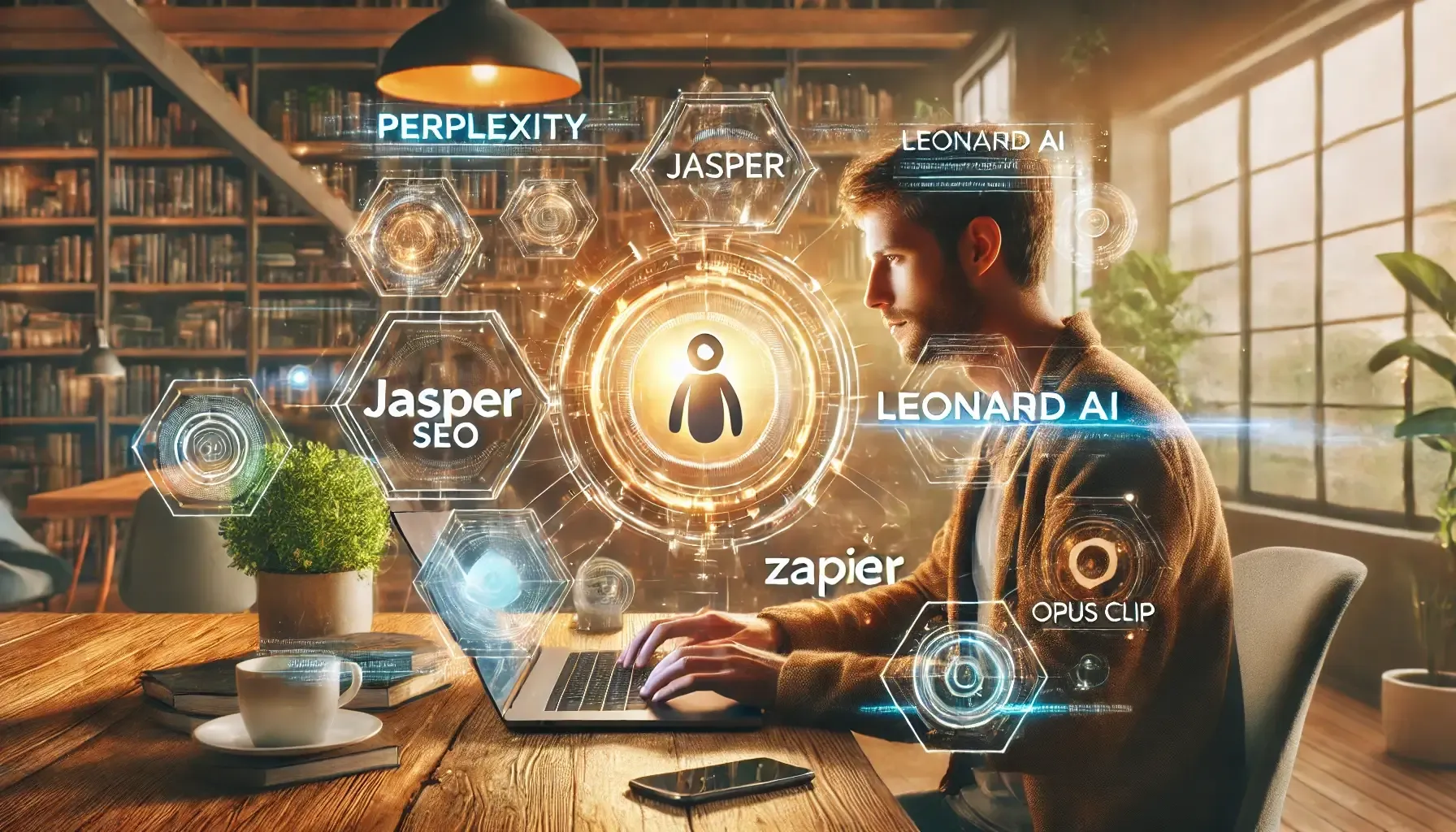
| OpusClip | Turns long videos into clips for TikTok, YouTube Shorts and Instagram Reels. |
| Perplexity | AI answer engine for real-time answers used in engagement and content creation. |
| Leonardo AI | Creates images to add visual impact to marketing materials. |
| Jasper | Supports copywriting, content creation and workflow automation for marketing teams. |
| Surfer SEO | Helps research, write and optimise articles for search. |
| Zapier | Automates workflows across apps. |
Does AI replace a marketing agency?
No. Tussle Digital uses AI to strengthen its strategies, but human insight, creativity and a tailored approach make the difference. AI cannot tell a great story, build a real connection or run a data-driven campaign on its own.
Read more in AI and automation in digital marketing. Explore our CRM and automation and growth and performance marketing services.
Questions we get asked
How is AI used in digital marketing?
Marketers use AI for content creation, chatbots, customer segmentation, SEO, PPC advertising, data analytics and email marketing. It processes large data sets quickly, finds patterns and automates repetitive work, so teams can personalise messages and adjust campaigns faster. Human review is still needed to keep output accurate and on brand.
Will AI replace marketers?
The post says no. AI complements what people do and relies on human expertise to be used well. It can automate tasks, but it cannot tell a great story, build a real connection or run a data-driven campaign on its own.
What are examples of AI in marketing?
Netflix uses viewing history to customise the artwork shown for recommended titles. Spotify uses data on music taste, podcasts, purchases, location and brand interactions to build personal playlists and send personalised emails. Both aim to show the right message to the right person.
Which AI tools can marketers use?
The post lists OpusClip for turning long videos into short clips, Perplexity for answers, Leonardo AI for images, Jasper for copywriting, Surfer SEO for search-optimised articles and Zapier for workflow automation. ChatGPT and Google Gemini are also named. Review any tool against your own needs and data practices before adopting it.