How is AI changing AdTech?
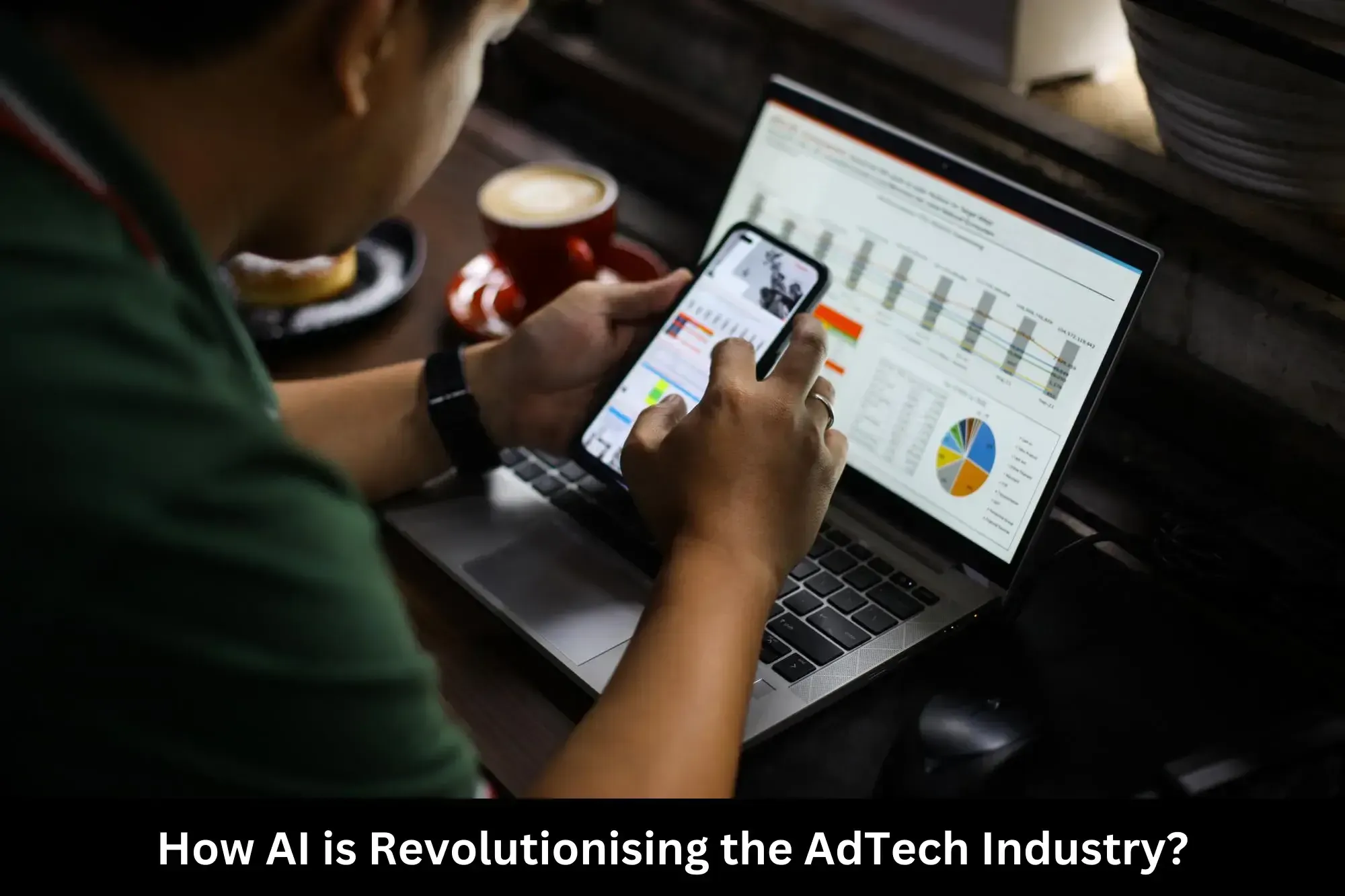
AI is changing AdTech by improving personalisation, automating processes and optimising campaigns for better ROI (return on investment). It helps businesses tailor ads to consumer behaviour, adapt to market trends and streamline creative work. It also powers real-time bidding, programmatic advertising and fraud detection.
How does AI personalise customer connections?
AI processes large amounts of complex data, giving businesses deeper insight into consumer preferences, history and behaviour. That lets them tailor messages to individuals rather than rely on generic campaigns.
- AI can analyse online behaviour, language preferences and cultural nuances so ads speak to the target audience.
- Personalisation at each touchpoint creates a more engaging customer journey and encourages repeat purchases.
- Understanding audience behaviour improves ad relevance and results.
How does AI help campaigns adapt quickly?
AI processes data in real time, so marketers can adjust campaigns as customer needs and market conditions change.
- AI algorithms help anticipate shifts in consumer behaviour and market trends.
- That agility makes campaigns more relevant and lifts engagement.
- Continuous analysis of industry data helps identify emerging challenges and solutions.
How does AI automate creative work?
AI automates many manual tasks in content creation, so teams can spend more time on strategy.
- AI tools can handle repetitive tasks such as creating basic content.
- Marketers can build creative assets quickly, run A/B tests and optimise campaigns in real time.
- AI analyses user interactions to recommend adjustments, cutting the time spent testing ads.
How does AI automate campaign activation and optimisation?
- Real-time bidding (RTB). AI automates the buying process so ads reach the most relevant audience at the right price, reducing waste.
- Programmatic advertising. AI automates ad buying from audience selection to bid adjustment.
- Fraud detection. AI can spot click fraud and bot traffic by monitoring patterns and flagging suspicious activity, which protects marketing budgets.
How does AI improve messaging delivery?
- Native ads. Ads that blend with editorial content give a less intrusive experience.
- Voice advertising. Voice assistants such as Amazon Alexa and Google Assistant open new ways to reach consumers.
- Search. AI refines search algorithms, so ad placements match user search behaviour more closely.
What is the future of AI in AdTech?
As AI evolves, its uses in AdTech will expand to cover creative optimisation, deeper consumer insights and more automation. The post expects AI to keep driving programmatic advertising, personalisation and real-time adjustments. It also suggests that integration with technologies such as AR and VR could create new ad formats.
To put AI-supported advertising to work, see Growth and Performance Marketing or contact us.
Questions we get asked
How is AI used in AdTech?
AI is used to personalise ads, adjust campaigns in real time, automate creative tasks, run real-time bidding and programmatic buying, and detect fraud such as click fraud and bot traffic. It also supports native ads, voice advertising and search ad placement.
What is real-time bidding?
Real-time bidding (RTB) is an automated way of buying ads. In the context of AdTech, AI algorithms help make sure ads are delivered to the most relevant audience at the right price. That reduces waste and optimises ad spend across campaigns.
How does AI detect ad fraud?
AI monitors patterns in advertising activity and flags anything suspicious, such as click fraud and bot traffic. By identifying and helping to prevent fraudulent activity, AI safeguards marketing budgets so that more of your ad spend reaches real potential customers.